Use this guide when you have just arrived in Beijing or are preparing for your first month. It keeps the order simple: get reachable, get registered, get paid, get housed, then learn the daily rules that make the city easier to live in.
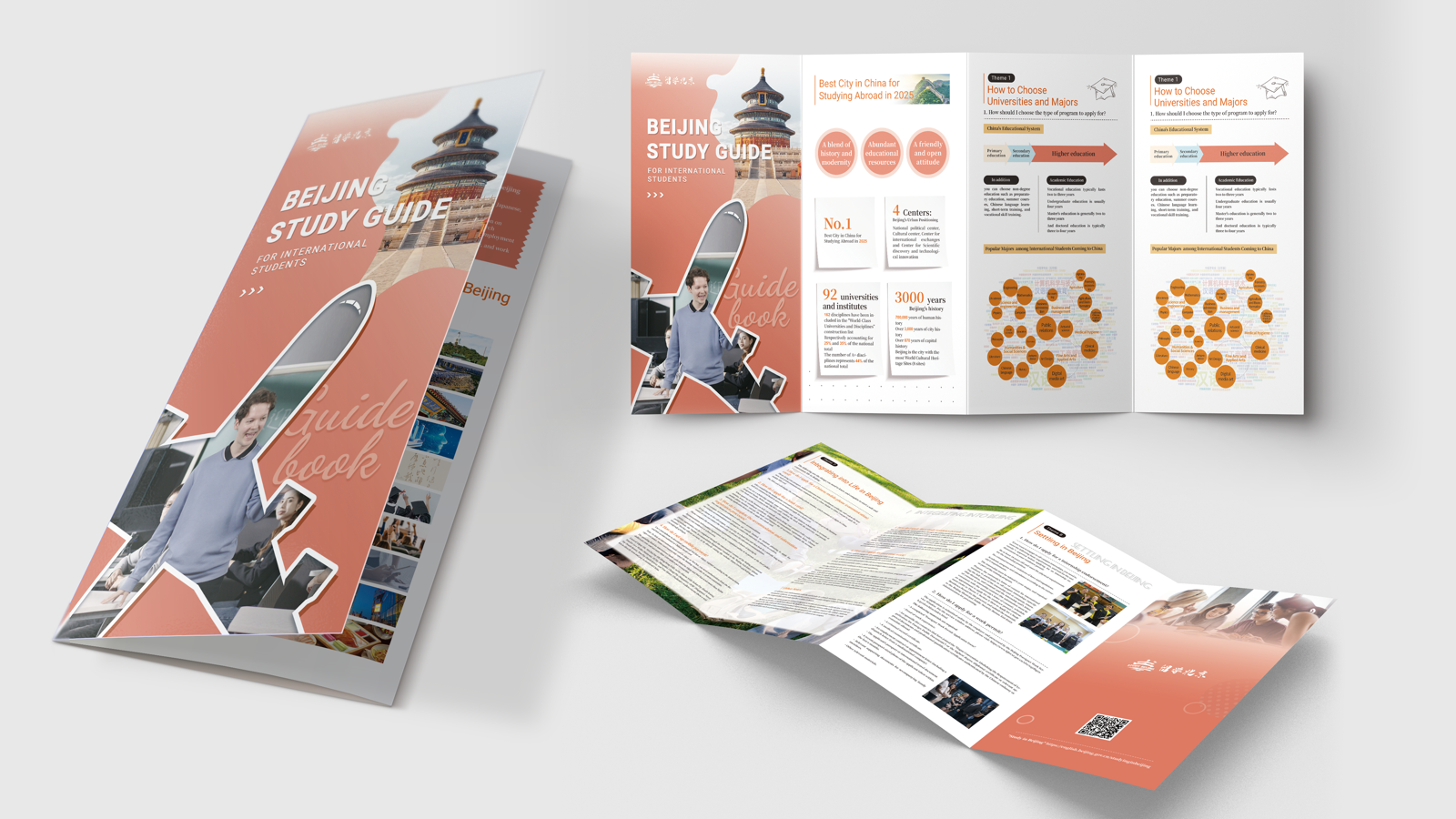
Fast checklist
- Confirm your passport, visa, entry stamp, school or employer documents, and address are easy to access offline.
- Set up one primary phone number that can receive Chinese SMS verification codes.
- Create the key app logins you need for messaging, payments, maps, transport, delivery, and housing.
- Complete accommodation registration through your hotel, landlord, school, employer, or local police station process.
- Connect payment tools to an international card or local bank card as soon as possible.
- Choose housing by commute, building management, nearby groceries, and registration support, not only rent.
- Save emergency numbers, embassy contacts, insurance details, and your Chinese address in both English and Chinese.
- Learn basic community rules for noise, deliveries, rubbish sorting, elevators, visitors, and pets.
Day 1 to 3: access first
Login and accounts
Most daily services rely on phone-number login and SMS verification. Use one stable number for core accounts. Keep passport photos, visa photos, ID-page scans, and Chinese address text in a secure folder because platforms, schools, banks, landlords, and clinics may ask for them repeatedly.
Set up practical basics first: messaging, maps, translation, ride hailing, food delivery, shopping, payment, banking, and your school or employer system. Avoid creating multiple accounts with different phone numbers unless you have a clear reason.
Phone and internet
Your phone number becomes your identity layer for apps, payments, delivery, transport, and appointments. Buy a SIM plan that can receive SMS reliably. Check whether your phone supports the required bands, whether your passport can be used for registration, and whether the plan includes enough local data.
Keep a small written backup of your address, landlord or hotel contact, school or employer contact, and nearest subway station. It helps when your battery dies or an app blocks access.
Payments and banking
Set up mobile payments early. Some users can start with an international card linked to a payment app, while longer-stay residents usually still benefit from a local bank account. Banks may ask for passport, visa or residence documents, local phone number, address, work or study proof, and tax-related information.

Week 1: registration and housing
Accommodation registration
Foreign nationals normally need temporary accommodation registration after arrival or address changes. Hotels usually handle this automatically. For apartments, confirm whether the landlord, agent, school, employer, compound office, or local police station will help. Do this before you sign a long lease when possible.
Housing
Judge apartments by commute time, heating and cooling, building management, elevator reliability, water pressure, internet options, grocery access, noise, and whether foreigner registration is straightforward. Ask for a clear lease, deposit terms, utility rules, invoice availability if needed, and the exact move-out process.
If you have children, pets, late work hours, or frequent visitors, confirm building and compound rules before paying a deposit.
Week 2 to 4: daily systems
Transport
Learn your subway line, backup bus routes, ride-hailing pickup points, and the nearest railway station for longer trips. Beijing is large; a cheaper apartment can become expensive if the commute is unreliable. For the full city-transport order, see Getting around Beijing.

Shopping and deliveries
For daily shopping, map the closest supermarket, pharmacy, convenience store, fresh-food market, and parcel pickup point. Delivery drivers may call or message in Chinese, so save your address in Chinese and learn the words for gate, building, unit, floor, and room.
Food and water
Build a short list of safe repeat options: nearby breakfast, workday lunch, grocery staples, late-night food, and one place that fits your dietary restrictions. If you have allergies, keep a written Chinese note explaining them clearly. Many households use bottled, filtered, or boiled water for drinking.
Healthcare
Identify one nearby general hospital or clinic, one international-facing clinic if budget allows, and your insurance support contact. Keep passport, insurance card or policy, payment method, allergy notes, and medication names available.

Business and study users
If you are coming for international business, save the official Investing in Beijing portal. Recent official materials highlight Beijing CBD, foreign-invested enterprises, regional headquarters, overseas business service platforms, and the wider international business environment.

Beijing’s newer official service materials also point business users toward Chinese-English registration forms, a bilingual service guide, foreign investor service counters, foreign investment policy updates, R&D center support, cross-border data facilitation, and AI sector development. These are useful signals if you are comparing Beijing with other Asian business hubs.
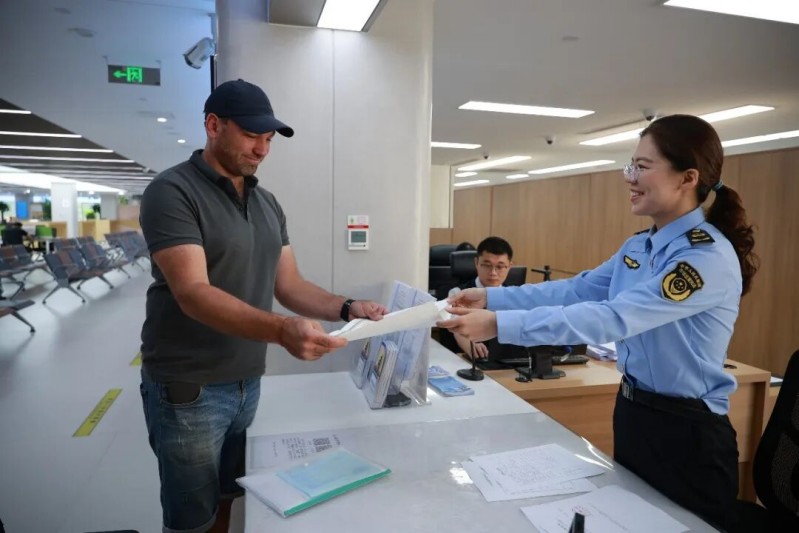
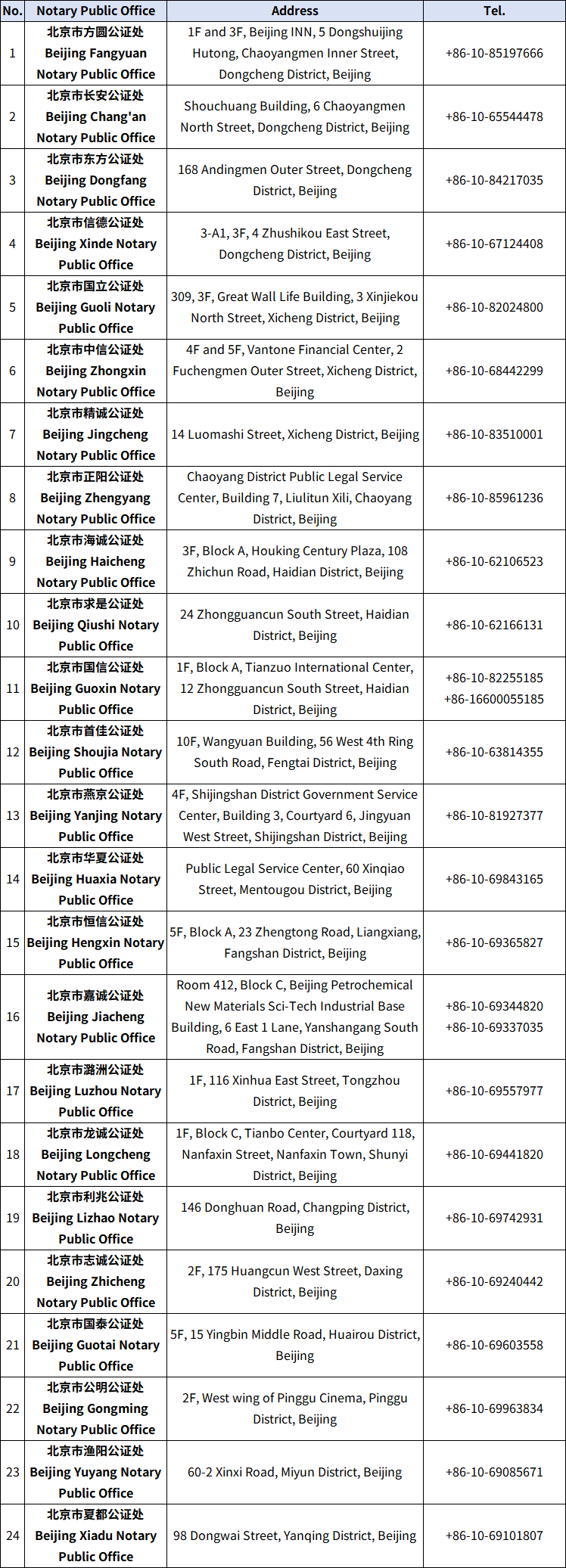
For personal and company documents, keep the official notary and legalization update handy. Beijing has published a list of 24 institutions for one-stop foreign-related notarization and consular legalization support.
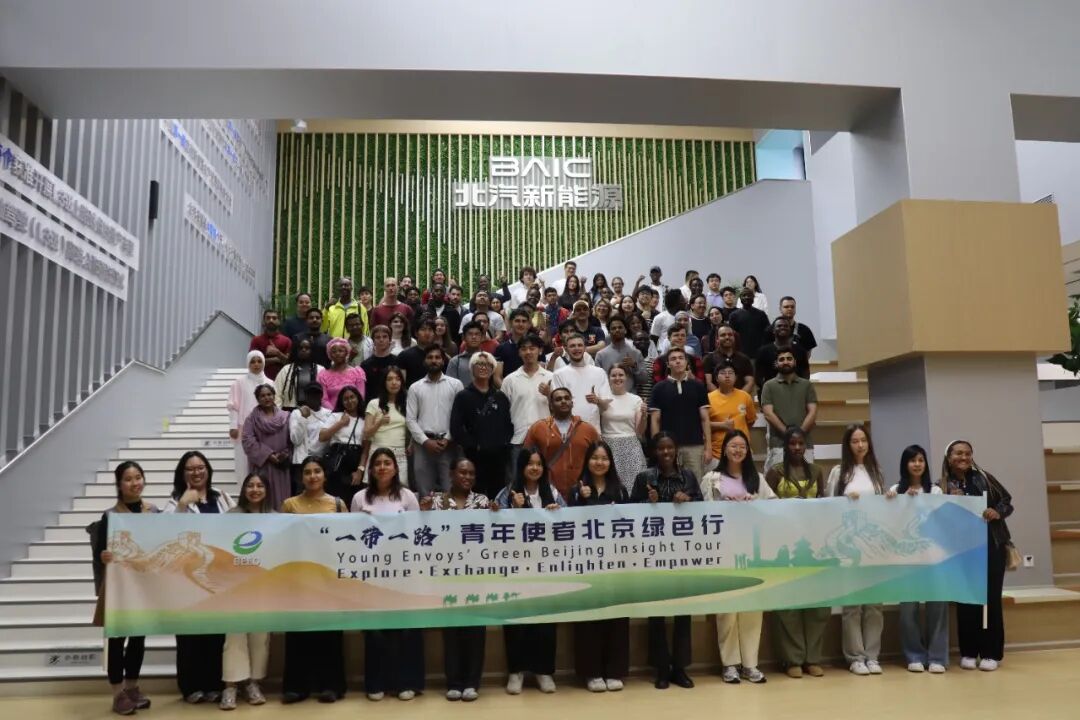
If you are a student or school user, save the official Studying in Beijing portal. It is useful for campus life, international student news, career exposure, internships, and industry visits.
Culture, etiquette, and community life
Daily etiquette
Be punctual for formal appointments, keep documents organized, and use simple written confirmations for money, leases, repairs, school matters, and work arrangements. In residential buildings, pay attention to quiet hours, elevator manners, rubbish rules, shared corridors, and delivery pickup locations.
Festivals and customs
Major holidays can affect rent viewings, government offices, banking, travel prices, delivery speed, and restaurant opening hours. Plan around Chinese New Year, National Day, Mid-Autumn Festival, Dragon Boat Festival, Qingming, and Labor Day. For family visits and travel, book transport and hotels early.
Pets
Before bringing or adopting a pet, check entry rules, vaccination records, registration requirements, building rules, landlord permission, breed or size restrictions, walking areas, and nearby veterinary clinics. Pet policies are local and building-specific, so confirm with the compound and relevant authority instead of relying on general advice. The pets entry and registration guide collects the official customs and dog-registration rules in one place.
Keep it simple
Your first month does not need a perfect system. It needs a stable phone number, a usable payment method, legal accommodation registration, a realistic commute, a safe place to live, nearby healthcare, and enough cultural context to avoid basic mistakes.
For official websites, emergency numbers, 12345, immigration service, transport, payment, health, and tourism links, keep the Beijing official links and hotlines page bookmarked.